Your Pores Don't Open. And Four Other Beauty Lies You Still Believe.
Your mother said it, your stylist said it, a woman on TikTok said it with total confidence. Here's where five beauty myths came from, and what's actually true.
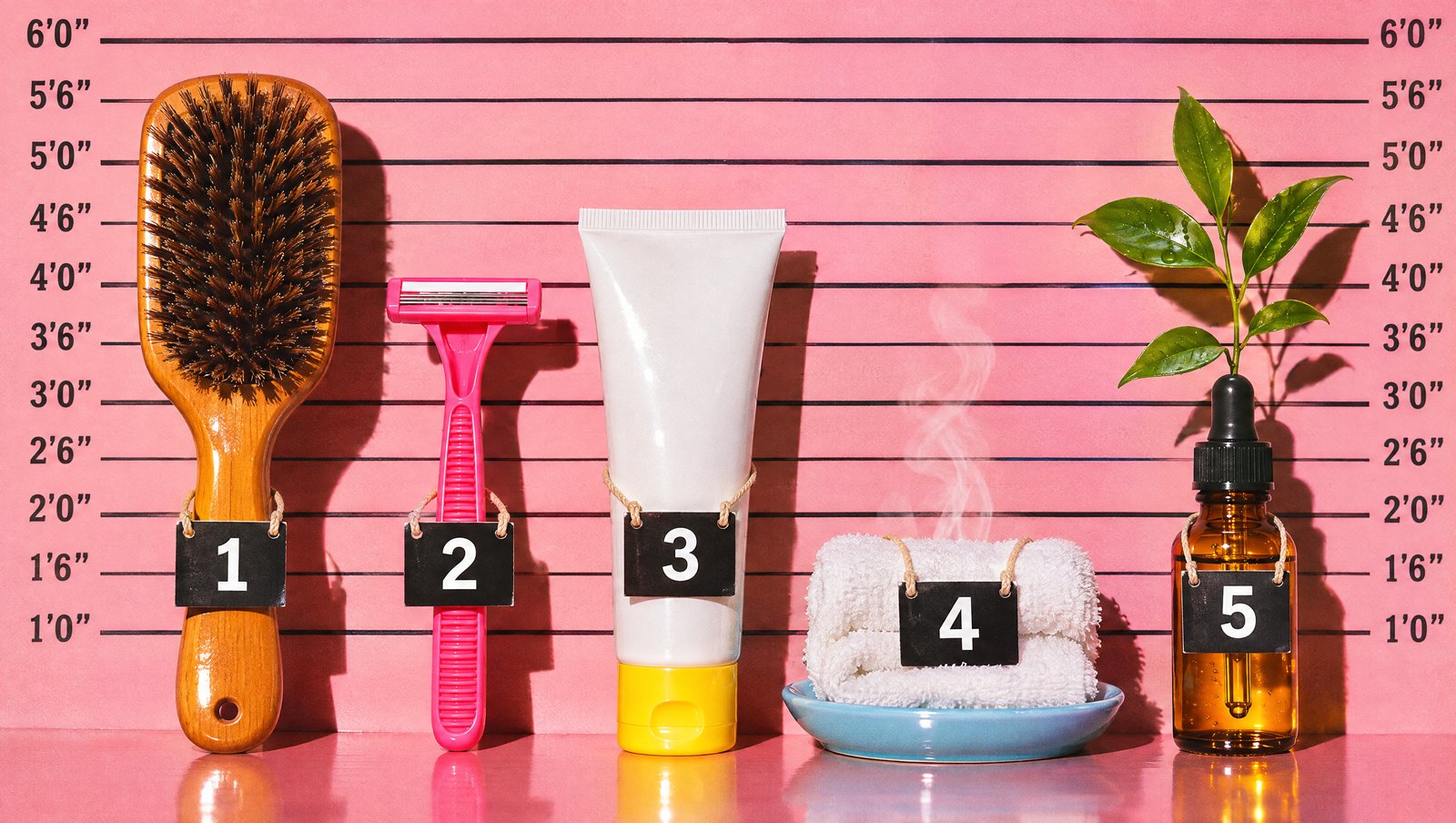
Every beauty routine has a ghost in it. Some rule you picked up at 13, from a magazine, an aunt or the girl at the next sink in the school bathroom, and never once questioned. You still turn the water to cold at the end of a face wash. You still flinch a little when you shave your legs, because somebody told you it would all come back darker.
Most of those rules had a reason once. A few were sales pitches. All five of these have been tested, and none of them survived. We're counting down from the harmless to the one that's costing you real money.
5. Hot water opens your pores, and cold water closes them
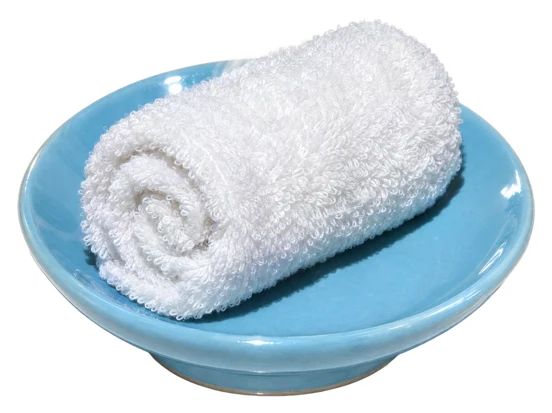
This one feels true, which is how it lasted. Steam makes your face feel soft and clean, and a cold splash afterward feels like locking the door behind you.
There's no door. Pores are openings for oil and sweat, and they have no muscles, so they can't open or shut on command. What heat actually does is soften the oil and gunk already sitting inside them, which is why a steamy shower makes a cleanser work a little better. Cold water feels nice. It does nothing to your pore size. If yours bother you, we've covered what actually helps.
The truth: wash with lukewarm water and stop trying to slam a door that was never there.
4. Shaving makes hair grow back thicker and darker
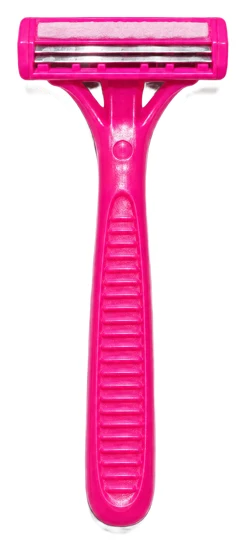
This myth is so old that a scientist went after it in 1928. Mildred Trotter, an anatomist who later became one of America's great forensic scientists, recruited a few men to shave on a strict schedule and measured what grew back. Shaving changed nothing: not the color, not the texture, not the speed. Researchers ran it again decades later and got the same answer.
So why does stubble feel like steel wool? A razor cuts each hair straight across, leaving a blunt tip instead of the fine, tapered end it grew with. Blunt feels coarse. New hair also hasn't been lightened by the sun yet, so it looks darker for a while. The follicle under the skin, the part that decides how your hair grows, never felt a thing.
The truth: shave, don't shave, it's your leg. Your razor has no say in the matter.
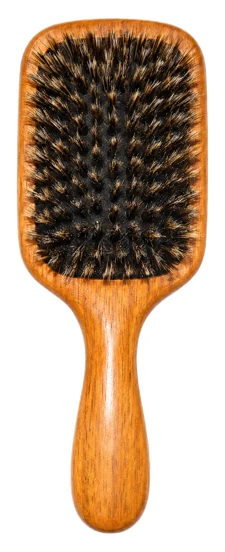
3. Brush your hair 100 strokes every night
Blame the Victorians, then blame Marcia Brady. The hundred-stroke rule most likely comes from the 1800s, when women grew their hair very long, rarely washed it and brushed the scalp's oil down the length to keep it glossy. It survived into the 1970s on television and into a lot of grandmothers' advice.
Brushing does help: it detangles, spreads oil and clears out the hair you've shed. A hundred strokes, though, is mostly friction. Dermatologists say overbrushing leads to breakage, and on curly and coily hair a brush can do more damage than a wide-tooth comb. If you're already nursing bleached ends back to health, every extra pass counts against you.
The truth: brush until it's untangled, then stop.
2. SPF 100 is twice as strong as SPF 50
The numbers on the bottle were made to be misread. SPF measures protection from UVB, the rays that burn, and the scale doesn't climb the way you'd think. Used correctly, SPF 30 filters about 97% of UVB, SPF 50 about 98% and SPF 100 about 99%. Doubling the number buys you roughly one percentage point.
The bigger trap is what a high number does to your behavior. Dermatologists warn that it creates a false sense of security: people put on less, skip the touch-up and stay out longer. SPF is also a UVB number only, so look for "broad spectrum" on the label for UVA, the rays behind a lot of aging. And reapply every two hours, or sooner if you're swimming or sweating. That's the rule, even if you're proudly the palest person at the party.
The truth: SPF 30 or higher, plenty of it, and again after lunch.
1. "Natural" means safer
Here's the big one, and the expensive one. A leaf on the label, an earthy font, a promise of "nothing synthetic," and somehow we decide a jar is gentler. Poison ivy is natural. So is arsenic.
In the U.S., the FDA has no official definition of "natural" for cosmetics, so a brand can print it on almost anything. And plant ingredients aren't automatically kind to skin. Botanical extracts and essential oils are some of the most common causes of allergic rashes that dermatologists see. When researchers checked the ingredient lists of more than 1,600 "natural" personal care products against a database of known skin allergens, about 94% of them contained at least one.
That doesn't make natural products bad. It makes the word meaningless on its own. The best thing in your bathroom might be something born in a lab, and the worst might be lavender.
The truth: read the ingredients, not the leaf.
The rules that are actually true are boring: wear sunscreen, be gentle, ignore anyone selling you a miracle.
Keep it loud