Your Best Makeup Idea Came Out on Vinyl First
Six album covers that did the beauty editors' job early, from a lightning bolt borrowed off a rice cooker to Madonna in hand-tinted blue.
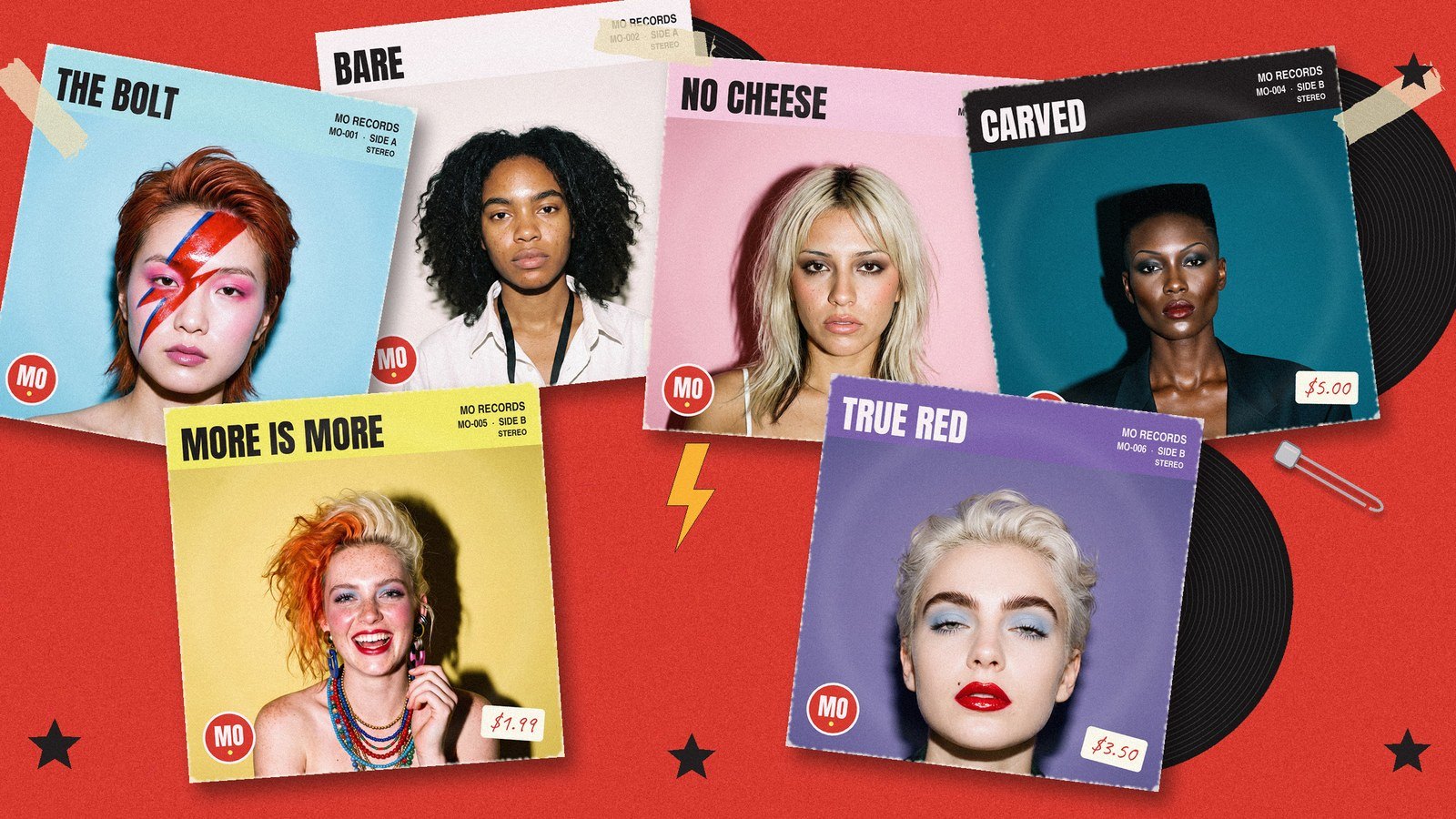
Beauty trends like to arrive with a name and a launch date. Most of them already had a catalog number.
Before the tutorial, before the mood board, there was a 12-inch square of cardboard in a record store, and a teenager flipping through the bins found a face worth stealing. Album covers were the original beauty editorial: art-directed, lit like a campaign and seen by millions of people who never opened a magazine. Some of the best looks of the last 50 years were born there, and a few of them were accidents.
Here are six worth pulling from the shelf, oldest first.
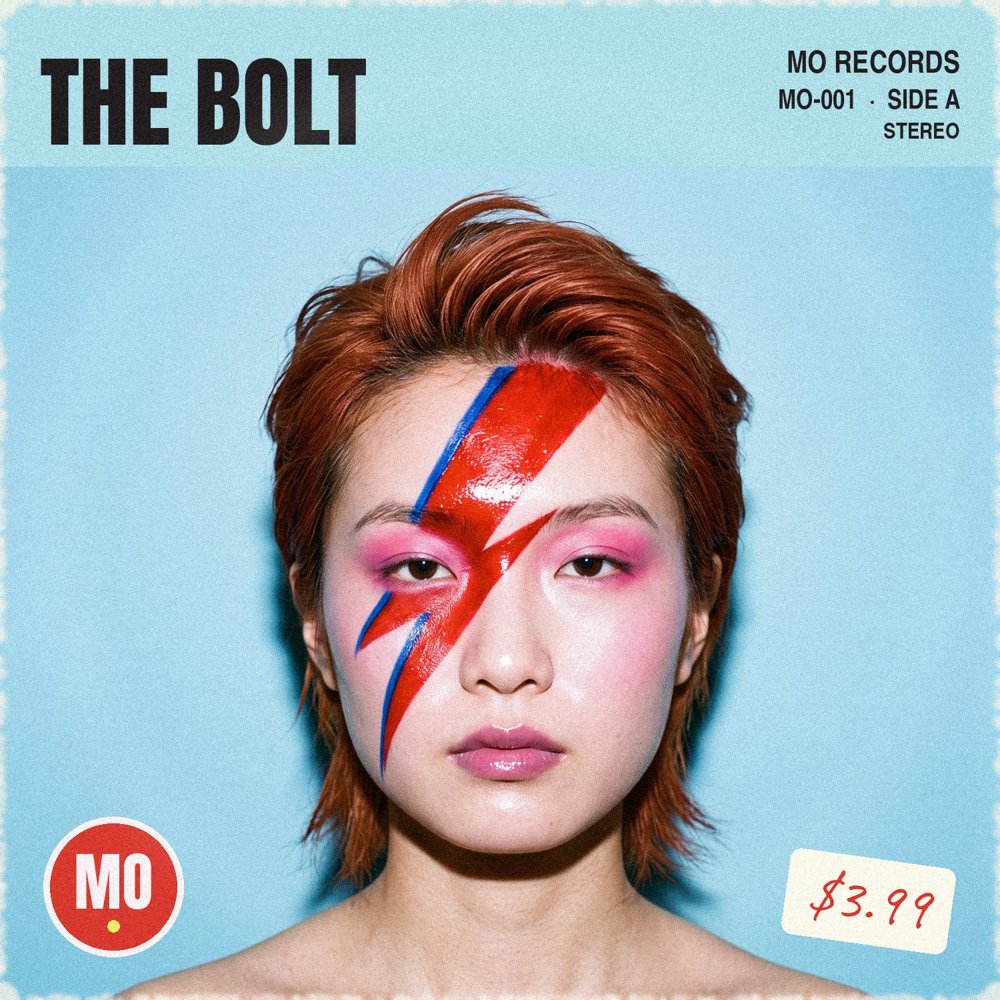
David Bowie, "Aladdin Sane" (1973)
Brian Duffy shot it in his north London studio that January, and the makeup artist Pierre Laroche painted the red and blue bolt across Bowie's face. One account says Duffy and Laroche copied the bolt off a National Panasonic rice cooker sitting in the studio. The most copied face in rock came from a kitchen appliance. Bowie's manager insisted on seven-color printing, which made it the priciest cover of its day, so the bolt was expensive even when it was free.
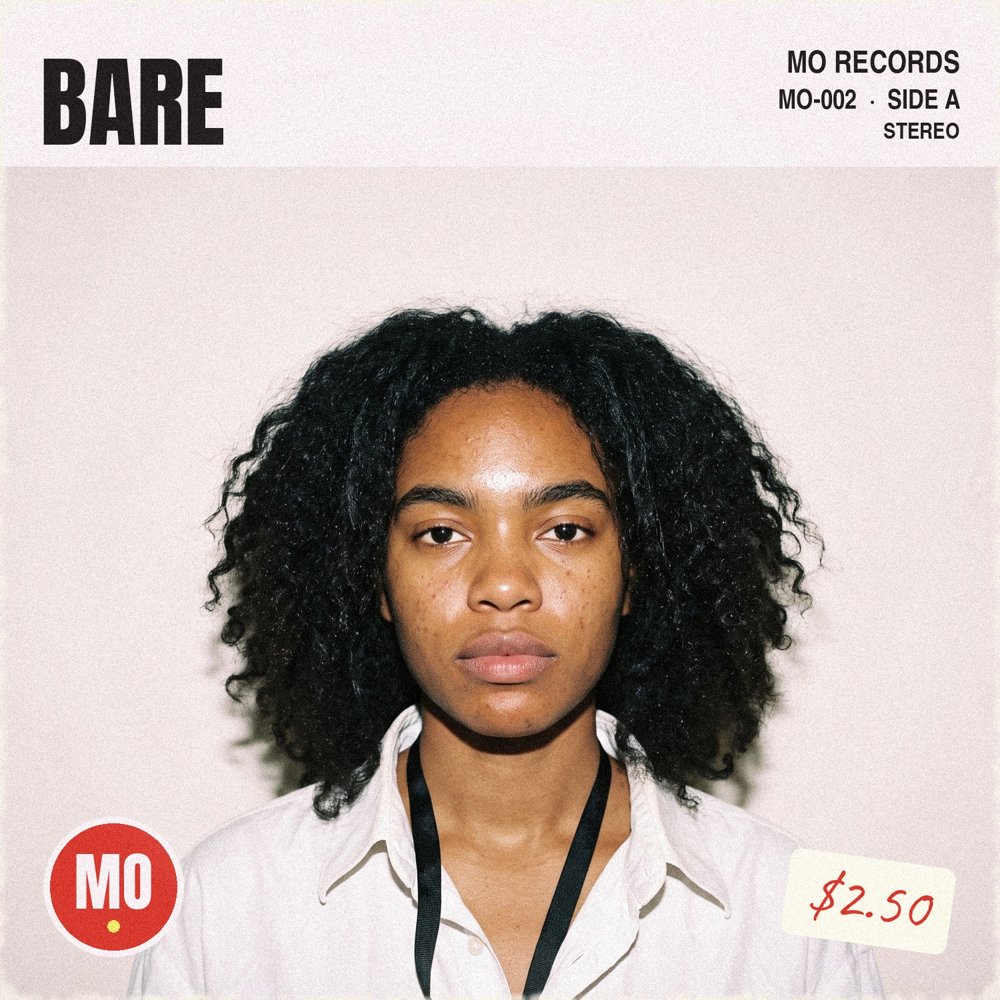
Patti Smith, "Horses" (1975)
Robert Mapplethorpe photographed her in natural light in Sam Wagstaff's Greenwich Village penthouse, in a white shirt from a Salvation Army store on the Bowery with a black ribbon at the collar. The face reads bare, the hair is left to its own devices, and the effect is more confident than any contour. It's the best argument ever pressed to vinyl for skipping foundation.

Blondie, "Parallel Lines" (1978)
The band hated Edo Bertoglio's photo, and their manager used it anyway. The men grin in matching suits against black and white stripes while Debbie Harry stands apart in white, hands on hips, not smiling. The look here is the expression. Platinum hair helps, but the real move is refusing to say cheese. Look at the hair anyway. Harry bleached it and let the dark roots show, the two-tone blonde that helped make her a punk icon. She has said the roots started on the road, when she couldn't reach the back of her own head: "I liked it. It was practical." Colorists now call it high-contrast roots, grown-out color worn on purpose, and they're betting on it for 2026. Harry was just too busy to book an appointment.
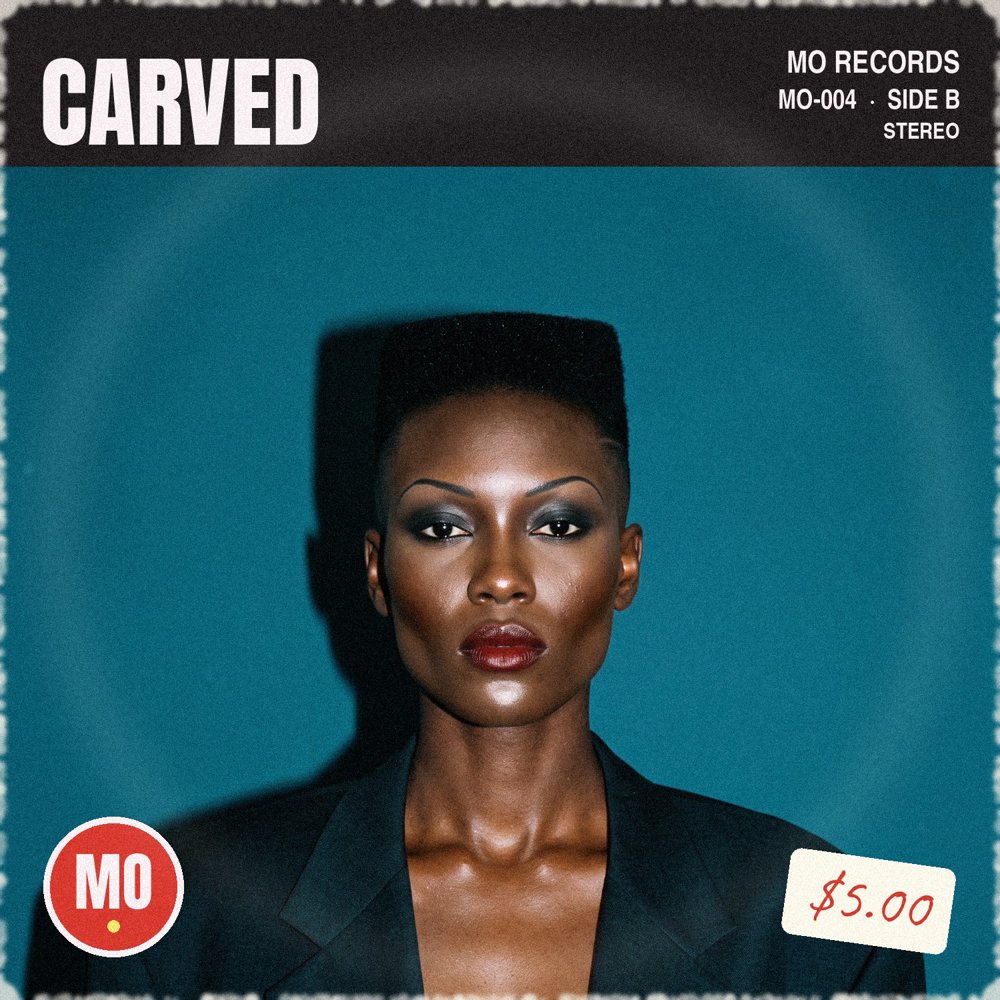
Grace Jones, "Nightclubbing" (1981)
Jean-Paul Goude made the cover in New York as a painted photograph: the flattop, the wide-shouldered Armani suit, an unlit cigarette angled down from her lip and skin rendered so glossy and sculpted it looks carved. Contour had a cover star decades before it had a palette. Goude did it with a paintbrush, which is still cheaper than most palettes.
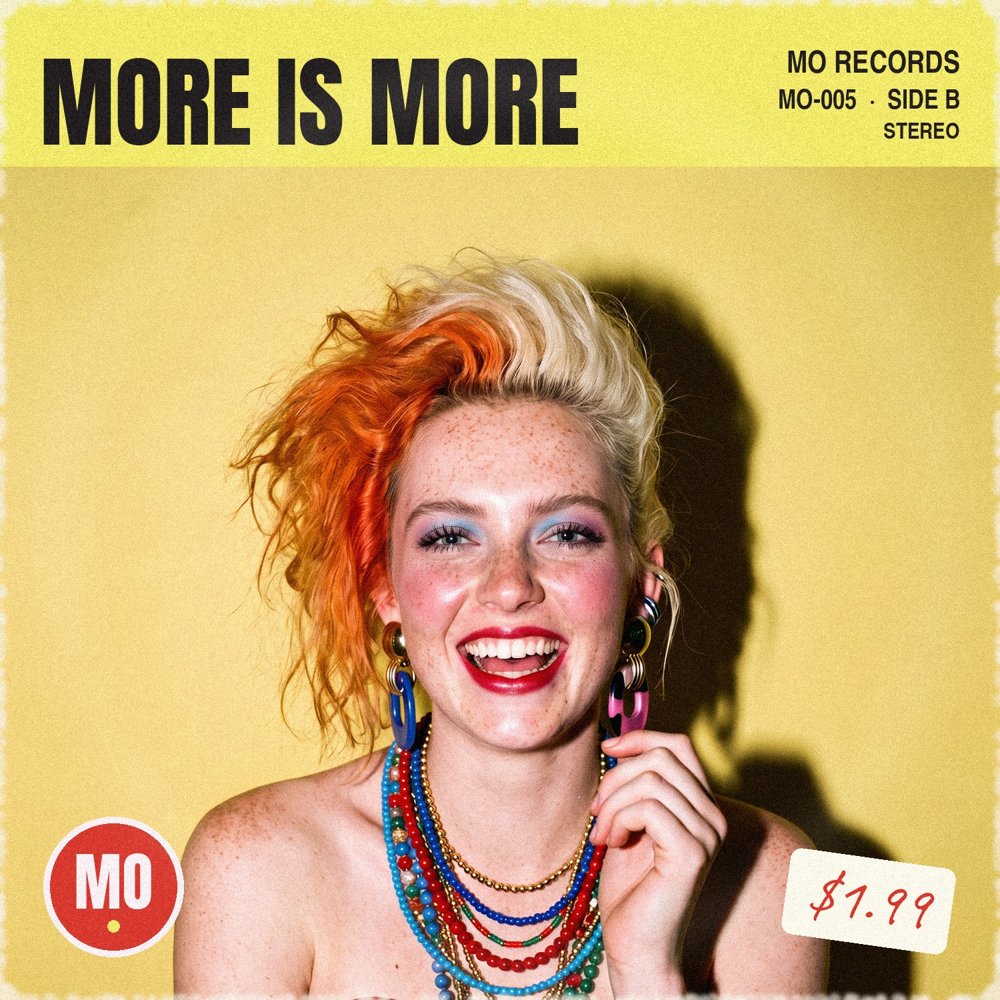
Cyndi Lauper, "She's So Unusual" (1983)
Annie Leibovitz shot her on Coney Island's Henderson Walk in a vintage red prom dress from Screaming Mimi's, the shop where Lauper used to work. She piled costume jewelry on her ears, arms, neck and right ankle, wore fishnets and left her red heels lying at her feet. The cover won a Grammy. The lesson is more is more, and shoes are optional.
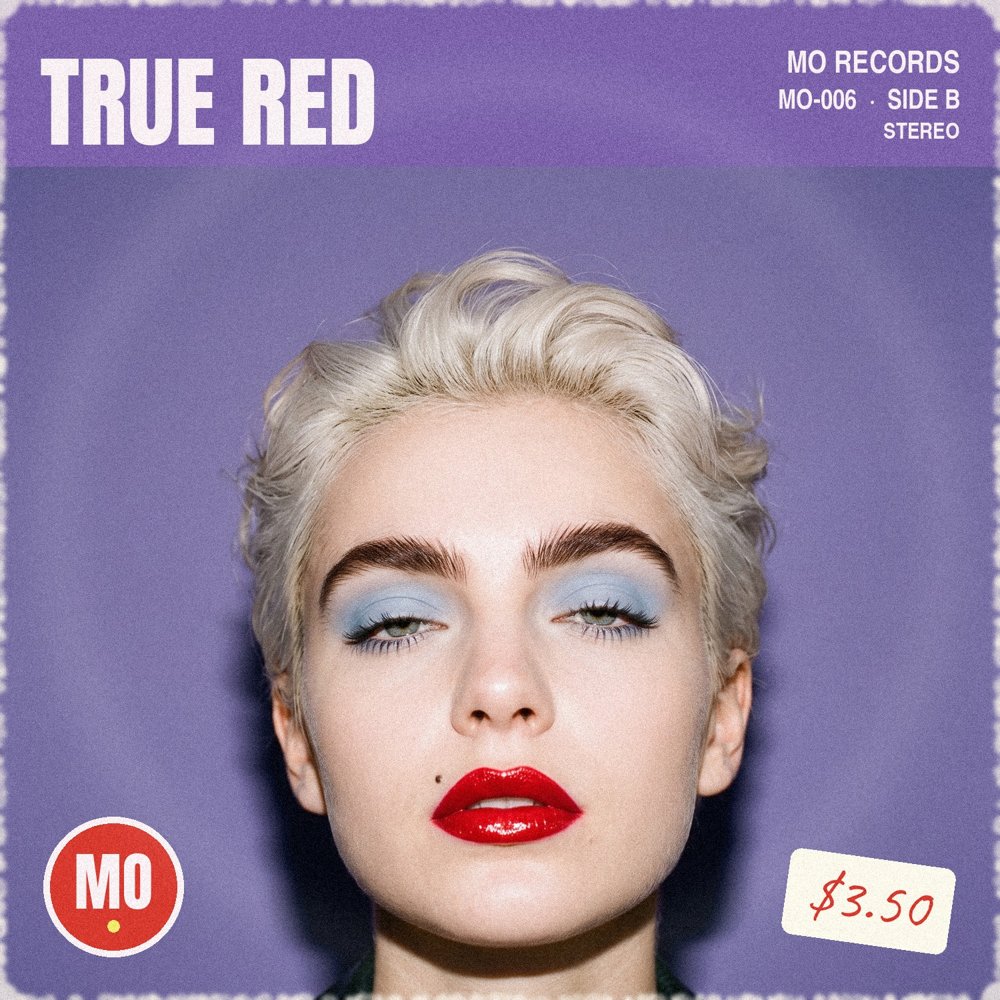
Madonna, "True Blue" (1986)
Herb Ritts shot it in Hollywood on black-and-white 35mm film, and Jeri Heiden in the Warner Bros. art department hand-tinted the print in shades of blue to match the title. In the U.S., the title went on a sticker, so once you peeled off the shrink-wrap there was nothing left but the face. And what a face: platinum hair cropped short and pushed back, with dark brows left defiantly dark underneath it, blue washed over the closed lids, the beauty mark above her lip, porcelain skin and one red mouth, the only warm thing in the frame. The brows are the trick. Bleach the hair, leave the brows, and everything else looks deliberate. The blue tint is optional.
None of these faces came from a trend report. They came from a photographer, a makeup artist with a wild idea and, at least once, a rice cooker.
The record store had it first. It usually does.
Keep it loud