Fashion Still Moves the Way Richard Avedon Told It To
Ron Howard's documentary "Avedon" opens the photographer's archive on Netflix Nov. 11. Fashion should claim him as loudly as the museums do.
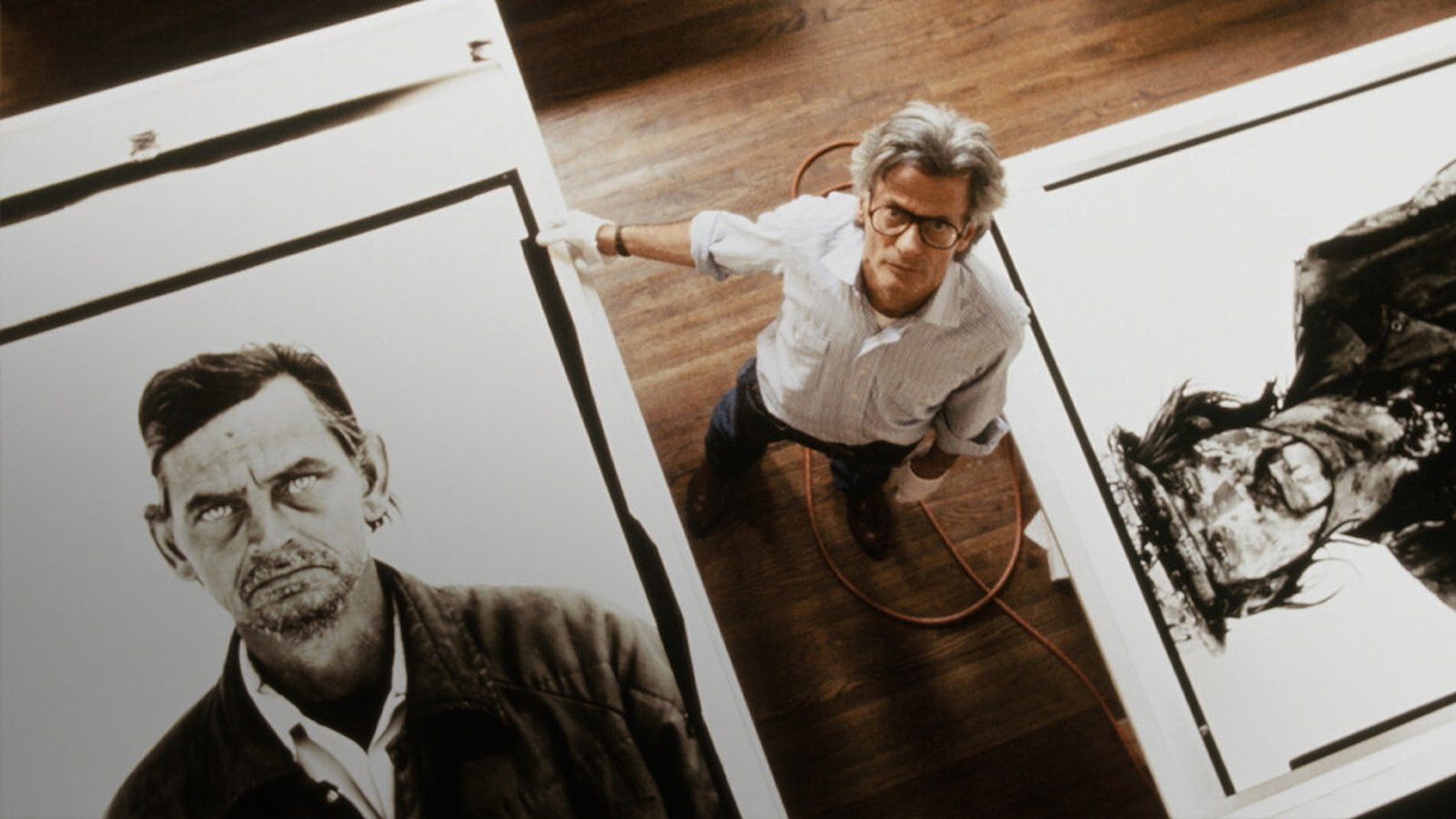
Scroll back through the fashion pictures you saved this year. Odds are the model is mid-stride or mid-laugh, and odds are the wall behind her is white. Nobody invented either of those things last season. Richard Avedon did, roughly 75 years ago, and on Nov. 11 Ron Howard gets his turn at explaining him.
"Avedon," Howard's documentary, premiered at Cannes this year and arrives on Netflix with something the usual photographer biography lacks: the archive. Netflix says the film draws on Avedon's personal papers, including stills and behind-the-camera footage the public hasn't seen, plus new interviews with the people who worked closest to him. It was made with the Richard Avedon Foundation, which tells you the family photo albums were on the table.
The history is the reason to care. Avedon was born in New York in 1923 and went to work at Harper's Bazaar in the mid-1940s under the art director Alexey Brodovitch. Fashion photographs of the time mostly stood still; models held poses like expensive furniture. Avedon took them out of the studio and onto the streets of Paris, and he let the clothes move. In 1955 he photographed Dovima in a Dior evening gown between elephants at the Cirque d'Hiver. Seventy years later, it is still the picture people reach for when they argue that a fashion photograph can be art.
Hollywood noticed early. Fred Astaire's photographer in "Funny Face" (1957) was modeled on him, and Avedon consulted on the film's look. He moved to Vogue in 1966, and in 1980 he shot the Calvin Klein jeans campaign with a 15-year-old Brooke Shields that made denim advertising a national argument. Then came the portraits. For "In the American West," shown in 1985, he photographed drifters, miners and ranch hands against the same white backdrop he used for movie stars. He became The New Yorker's first staff photographer in 1992 and died in 2004, at 81, while on assignment for the magazine.
Here is our position: those two careers were one career. The white seamless that flattered a couture gown also refused to flatter anybody, a senator or a slaughterhouse worker included. Museums tend to file Avedon under portraiture and treat the Bazaar years as his warmup. Fashion should push back, because the motion, the blank wall and the nerve to let a model look bored or delighted all started on fashion assignments.
We haven't seen the film, so we can't tell you whether Howard lands that argument. His documentary run, from "The Beatles: Eight Days a Week" to "Pavarotti," leans affectionate rather than prickly, and Avedon was a famously exacting subject. We'll report back. The lesson for your own closet is cheaper than a Dior gown: buy the coat that swings when you walk.
Keep it loud