The Icon Archives: Betty Davis Scared the 1970s. Then She Left.
She wrote her own songs, produced her own records, put Miles Davis in leather and walked away before anyone could tell her to tone it down.
Betty Mabry was 12 years old, living in a steel town outside Pittsburgh, when she wrote her first song. It was called "I'm Going to Bake That Cake of Love." Her grandmother had raised her on the blues in North Carolina, the kind sung by women who said exactly what they wanted, and the child took notes.
At 16, she left for New York, enrolled at the Fashion Institute of Technology and paid her way by modeling. She was good at it and bored by it. What she liked was the clubs, the musicians and the feeling that the 1960s were about to tip over into something louder. By 1967, she'd written a song the Chambers Brothers recorded. By 1968, she'd married the most famous trumpet player alive.
She dressed Miles Davis, and then she changed his record collection
The marriage to Miles Davis lasted about a year, and she didn't look back on it warmly. "Every day married to him was a day I earned the name Davis," she said decades later. What she left behind in that year is harder to dismiss. She threw out his tailored suits and put him in leather and sunglasses. She played him Jimi Hendrix and Sly Stone. The man who walked out of that marriage went and made "Bitches Brew," and jazz has been arguing about it ever since.
She kept the name. It was the least he owed her.
Three albums in three years, all of them too much
In 1973, Michael Lang, the man who put on Woodstock, signed her to his small label, and Betty Davis made a debut album with players borrowed from Sly and the Family Stone and Santana. "They Say I'm Different" followed in 1974, then "Nasty Gal" in 1975, her first for a major label. She wrote the songs. On the second and third records, she was the producer too, at a time when a woman producing her own funk album was roughly as common as a woman flying the Concorde.
The voice was the thing. It didn't croon. It growled, squealed, laughed and gave orders, over bass lines that sounded like they'd been up all night. The songs were about desire from the point of view of the person having it, which radio could handle from men and could not handle from her. Stations wouldn't play the records. Religious groups objected to the shows. The albums sold modestly, and the people who did hear them never forgot.
The clothes were the argument
Look at the cover of "They Say I'm Different": Davis in a space-age bodysuit with fur at the cuffs and boots to the thigh, holding what looks like the reins of a rocket. This was the year after "Aladdin Sane," and she was doing science fiction with more hip in it. Onstage she wore silver hot pants, feathers, lamé, lingerie as outerwear and an Afro like a halo that had been to a few parties.
None of it was costume. She'd been a model and a fashion student. She knew exactly what a hemline said, and she made hers say it louder. Every album cover from the era was a beauty lesson, as we've argued about the best of them, and hers taught the advanced class.
Then the door closed, from the inside
A fourth album was finished in 1976 and shelved. Her father died in 1980. Davis went to Japan for a year, came back to Homestead, Pennsylvania, the steel town she'd left as a teenager, and stopped. No comeback tour, no reunion, no memoir. For about 25 years, one of the most original voices in American music lived quietly in an apartment and did not explain herself.
The records came back without her. A Seattle label reissued them starting in 2007, and a new audience heard what the old one had been warned about. A fashion company named itself after her third album. A 2017 documentary, "Betty: They Say I'm Different," filmed her from behind, at her request. She died in Homestead on Feb. 9, 2022. She was 77.
Who's carrying it now
You can hear her wherever a woman is running the band and the mixing board at once. It's in Brittany Howard's guitar, in Janelle Monáe's tailoring, in every funk bass line St. Vincent has ever strutted over. It's in the story of Tina Bell, the woman grunge forgot to write down, another Black woman who got there first and got left out of the first draft.
Put on "They Say I'm Different" tonight, loud, and wear something you've been told is too much. She baked that cake when she was 12. The rest of us are still catching up.
Listen: "Betty Davis" (1973), "They Say I'm Different" (1974) and "Nasty Gal" (1975), all streaming and reissued on vinyl by Light in the Attic. Watch: "Betty: They Say I'm Different" (2017).
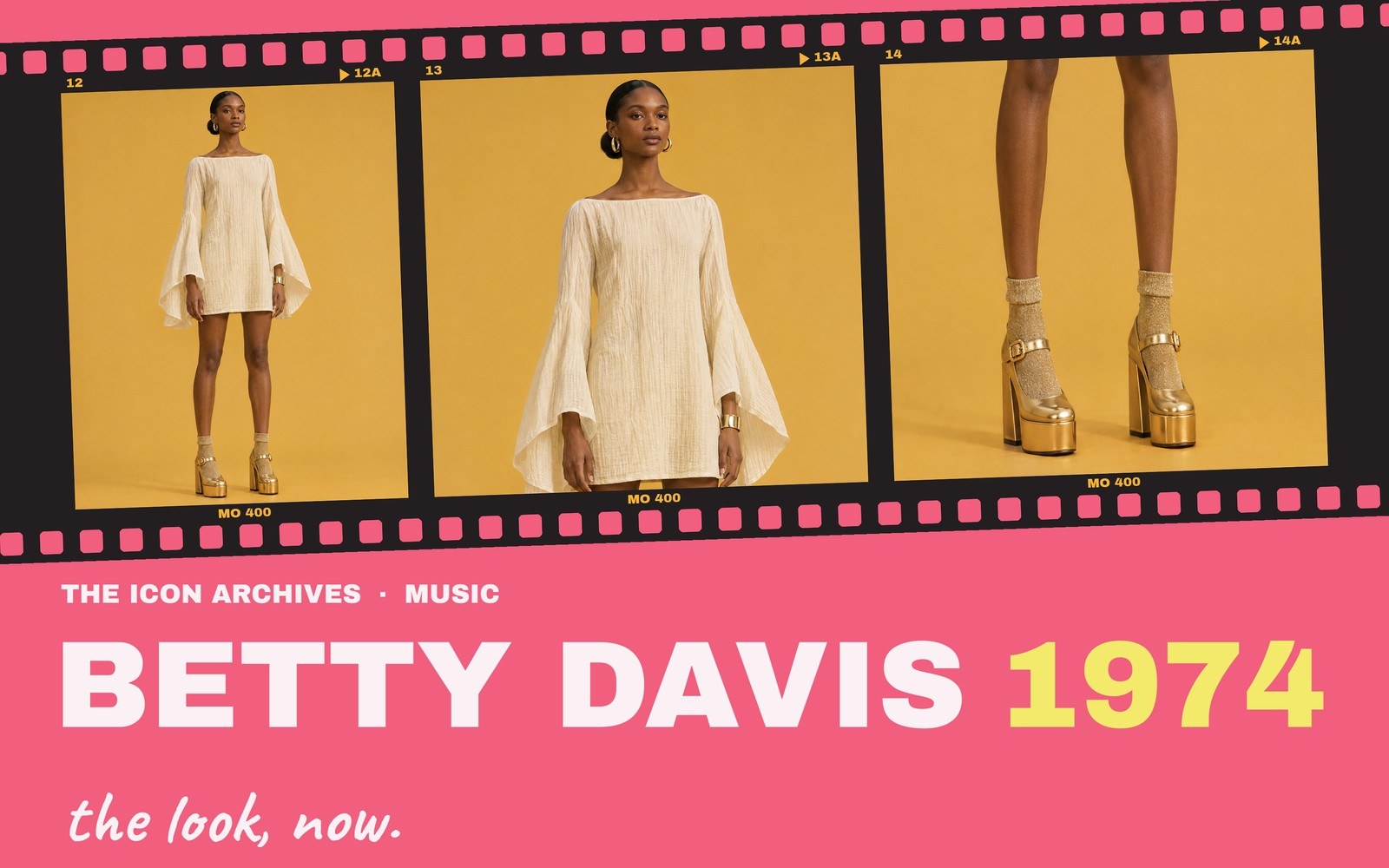
Betty never dressed like anybody's idea of the 1970s, so neither did we. Her attitude, in pieces from this season: a cream bell-sleeve mini, gold platforms with glitter socks, big hoops, one cuff, a gold collar and gold on the eyelids. Click any frame to go straight to the store.
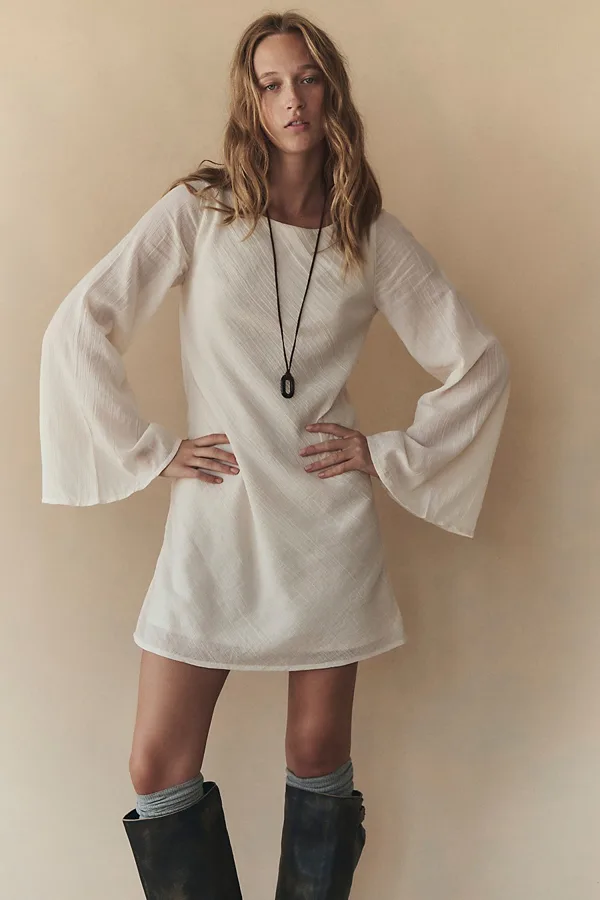 Free Peoplefree-est Sunstare Solid Mini Dress, Vanilla$70Shop at Free People ↗
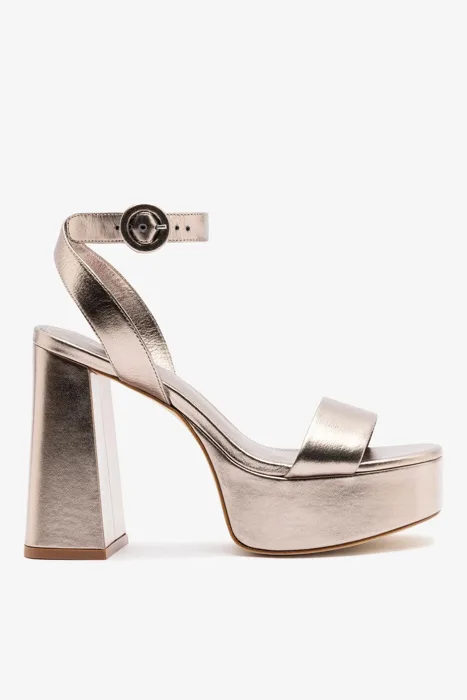 LarroudéDolly Platform Sandal, Dusky Gold Leather$225Shop at Larroudé ↗
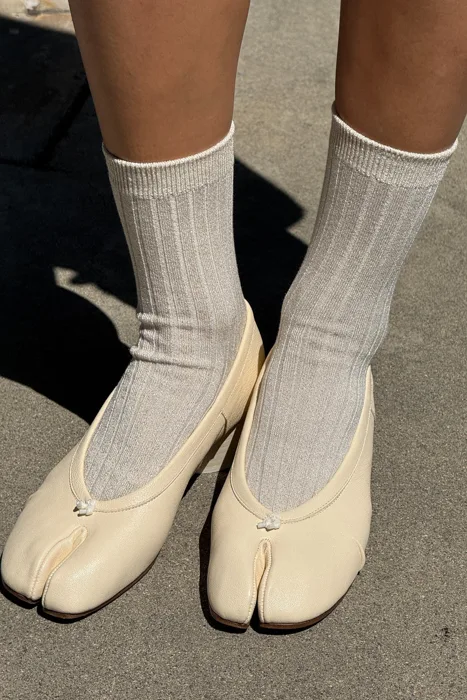 Le Bon ShoppeHer Socks (Glitter), Ivory Gold Glitter$14Shop at Le Bon Shoppe ↗
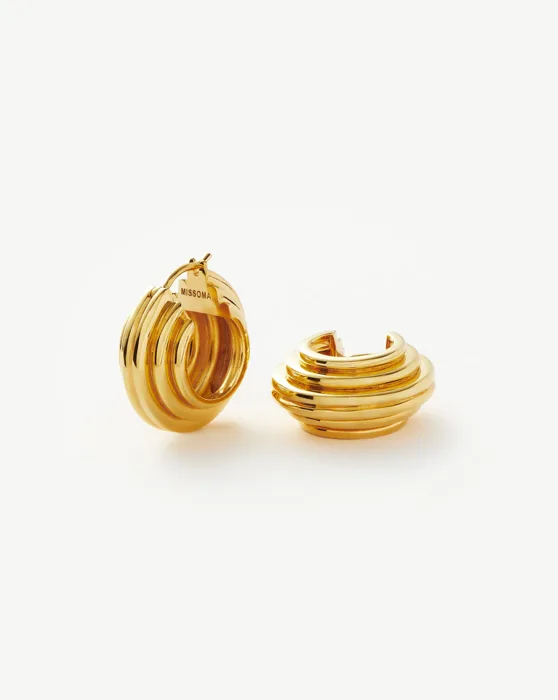 MissomaLucy Williams Medium Chunky Ridge Hoop Earrings, 18ct Gold Plated$149Shop at Missoma ↗
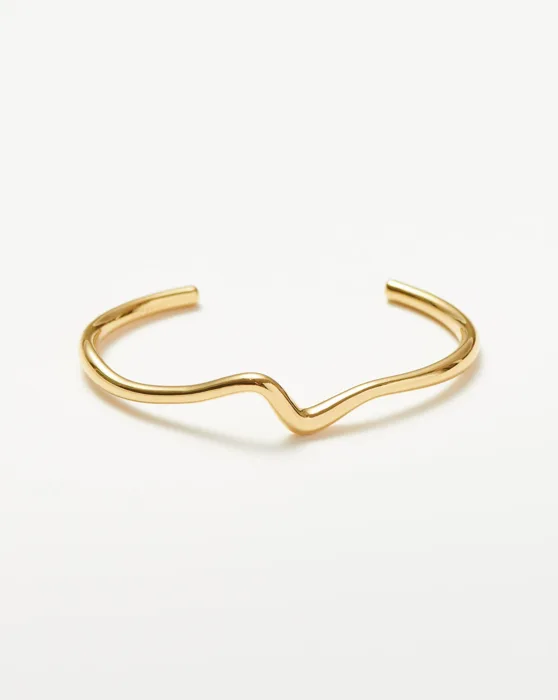 MissomaMolten Wave Cuff Bracelet, 18ct Gold Plated$149Shop at Missoma ↗
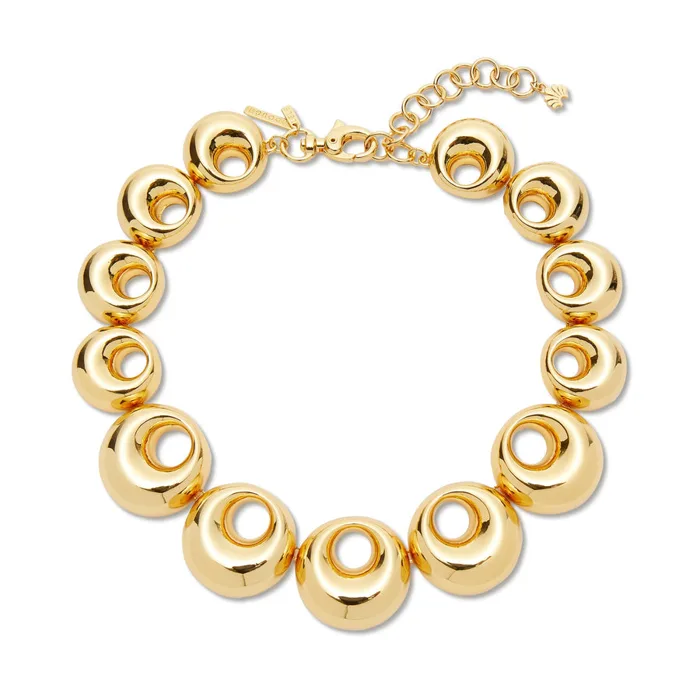 Lele SadoughiGold Medallion Necklace$199Shop at Lele Sadoughi ↗
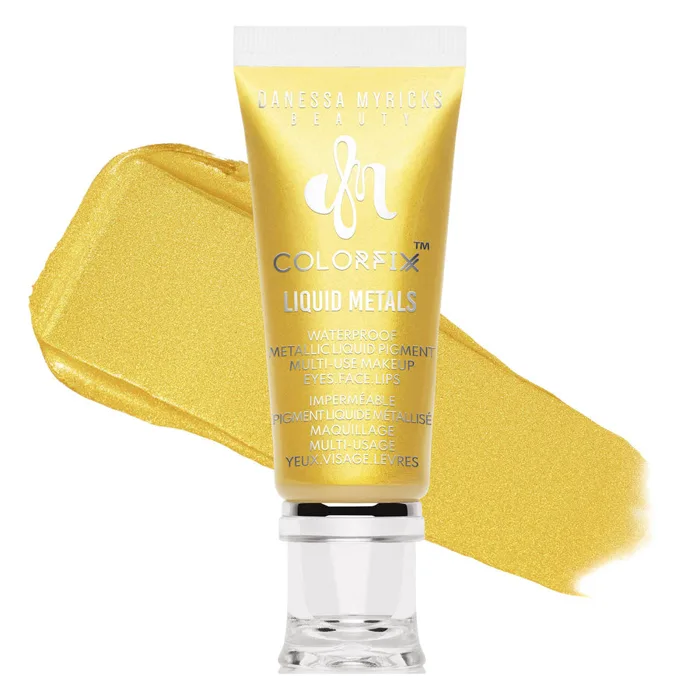 Danessa Myricks BeautyColorfix Liquid Metals, 24K$22Shop at Danessa Myricks Beauty ↗
Why these
- Free People, free-est Sunstare Solid Mini Dress, Vanilla. The hero piece. Soft crinkled cotton, a wide boat neck and bell sleeves that open past the wrist, which is all the drama a dress needs.
- Larroudé, Dolly Platform Sandal, Dusky Gold Leather. A real disco platform with a high block heel and an ankle strap. Wear the glitter socks right under it.
- Le Bon Shoppe, Her Socks (Glitter), Ivory Gold Glitter. Sparkly socks folded down over the strap. It reads as a choice, not an accident.
- Missoma, Lucy Williams Medium Chunky Ridge Hoop Earrings, 18ct Gold Plated. Big, ridged and heavy-looking. The hoop is the one piece of 1974 we kept exactly as it was.
- Missoma, Molten Wave Cuff Bracelet, 18ct Gold Plated. One cuff on one wrist, so it flashes when the sleeve swings.
- Lele Sadoughi, Gold Medallion Necklace. A gold collar sits right in that boat neckline. Wear it with the hoops. More is the point.
- Danessa Myricks Beauty, Colorfix Liquid Metals, 24K. Liquid gold on the lid, pressed on with a finger. It works on cheekbones too.
Prices checked Nov. 19, 2026. MO picks every piece on its own. Prices and availability can change.
Keep it loud